The Most Effective Door Repair Tricks To Change Your Life


Door Repair - Simple Fixes You Can Do in a Few Easy Steps
It's easy for people to believe that doors can't be fixed however, there are many easy fixes that can make a huge impact. Let's start by the shimming.
To make an opening shim, open the door and then press it into the frame. Use a block or jack plane to remove small pieces of wood from the binding points.
The Frame
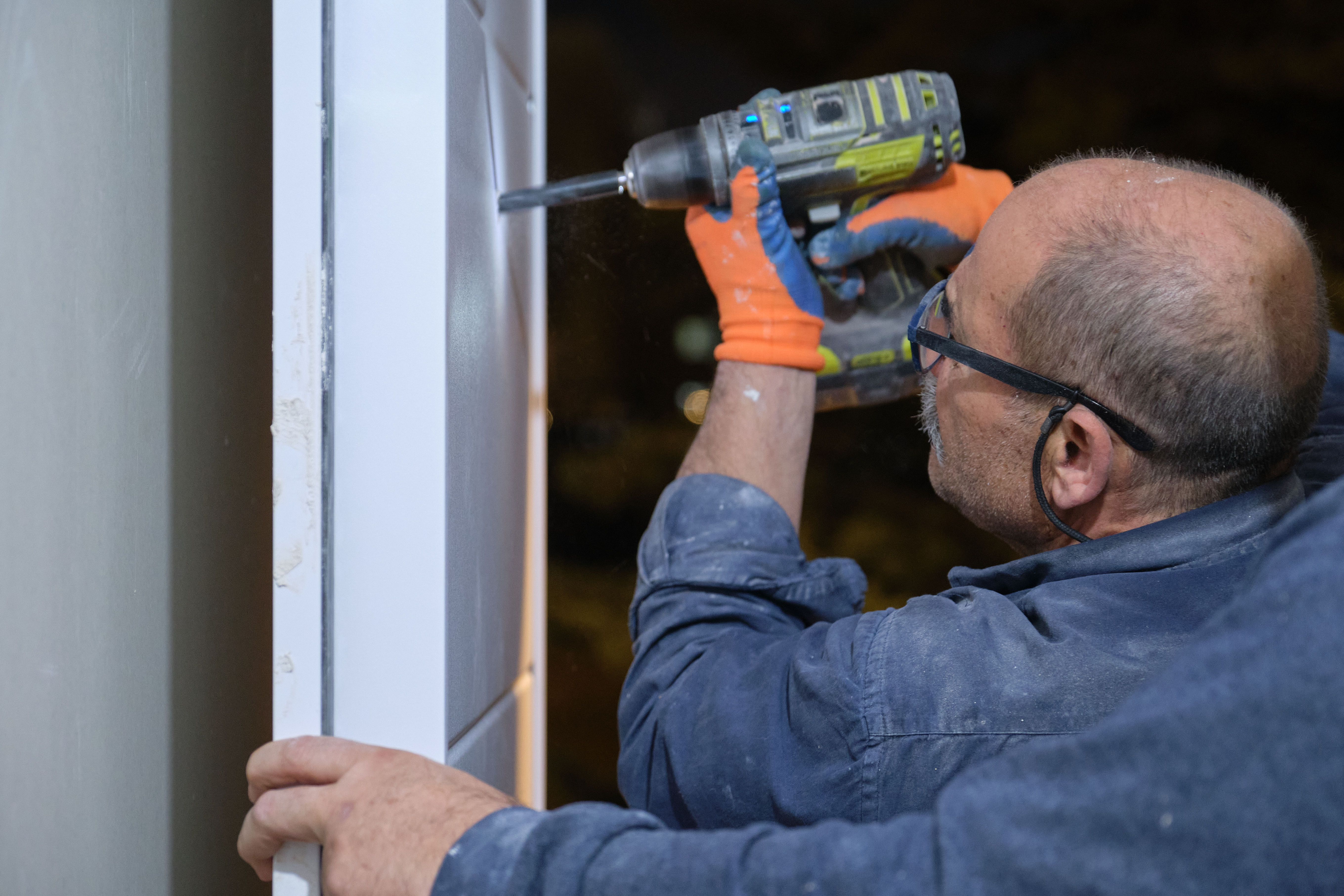
The door frame is among the most crucial components of your home. It is essential for your home's security, because it helps prevent water damage. It is prone to being damaged. Weather-related damage or break-ins, or just normal use, door frames could be damaged. And when they do, it could lead to large gaps, weak latching and a look that is ugly. Repairing your door frame can be done in just a few steps.
First, take the molding or trim around your opening. This can be done with a hammer and chisel or a power saw. After the trim is removed, make a note of the measurements and replace it following the repair.
You should then inspect any damaged or rotted areas of the door frame. If sash window repair find any rotten areas, you will have to buy and install replacement pieces of wood. They are usually available at your local hardware store and should be made from a material that will match the rest of the door frame. It is recommended to avoid using pressure-treated wood since it is more likely to twist and warp over time.
After replacing any damaged parts of the frame you will have to secure it. One method to achieve this is using an shim. It is essentially a piece of wood that is placed between the frame and the wall. The shim will provide additional support for the frame and will keep it from moving.
After you've replaced the shims, it is a good idea to seal the frame and sill of your door. This will keep water damage from occurring and also protect the frame from insects.
In the end, you'll have to reinstall the trim on your door frame. If you're lucky, the old trim might be in good condition and you can just nail it back in place. If not, you might require a new trim and follow the same procedure.
The Threshold
A threshold is a piece of wood that is used to cover and protect the space between the door and the floor surface. It also stops water and snow from accumulating in the entrance. In addition to being an integral part of the door, a properly-installed threshold is also a beautiful feature that will enhance your home's curb appeal. If your threshold is scuffed, worn or damaged, it's the right time to replace it. The process of installing a threshold is more complicated than simply sliding it under the casing, and then nailing it in place. It has to be supported by shims placed between the frame's two jambs.
Cut the threshold from the sides with a circular blade (use carbide blades, if you can). If possible take out the sub sill, which is the part of the frame which runs below the threshold. Replace it if it's rotten while you replace the threshold.
Before cutting the threshold to the proper size, use a carpenter's square to draw the lines of layout on it, making note of right angles to make notches that fit around the jambs. You can also buy pre-cut thresholds that match the dimensions of your doorway in a home center.
Insert the shims, being sure to place them evenly. If needed, you may change the thickness of the shims. But they should not exceed 1 1/2 inches. It may require a bit of trial and error to make the threshold snug but still capable of moving freely.
Check the fit of your new threshold by closing the door and observing the ease with which it closes and opens. There shouldn't be any light under the door and the sweep at the bottom of the doors should lightly rub the top of threshold.
If the threshold is a good fit but requires a bit more support, put some construction adhesive on the shims, then press them into position under the threshold. Repeat the process until you have a snug fit and it can withstand weight.
The Hinges
Over time, door hinges get rusty and begin to deteriorate. This makes it difficult to close doors. When this happens, it's essential to fix the hinge so that the door is closed and secured correctly. If you're replacing the hinge, ensure you use the same hinge that is a good match in terms of size and edge shape. Also, ensure that the hinge is correctly located in the mortise.
Examine the hinge to determine if it is loose. If the hinge isn't tight, it will be rubbing against the strike plate, and will bind to the frame. Look for scratches in the paint or indents on the frame to find where the hinge has been rubbing. If the hinge isn't tight enough then tighten it up using a screwdriver. If the hinge remains loose, you could try using a wedge between the frame of the door and the hinge, or you could require replacing it completely.
You can straighten the hinge knuckles by bent them with a pair of large tongue-and-groove pliers or an adjustable wrench. You can bend the knuckles using an enormous pair of tongue-and- groove pliers or a adjustable wrench. It is best to only work on one at one time, so that you don't end up bending out the hinge leaf.
It is also possible that the screws holding your hinges to the door have been stripped. If this is the case, replace the screws with ones that are longer to give them more grip on the hinges.
If the hinge isn't damaged and the screw holes are fine you can use a syringe to inject carpenter's glue into the hinge mortise and joint. Then, screw the hinge back into position and secure it using an screwdriver or drill. If you're putting in new hinges it's best to mark the locations of the pilot holes on the door as well as the frame of the door so that you are certain that the screws are exactly where they were as the hinges that were previously installed.
The Hardware
Most people don't give much thought to door knobs, locks, or levers until they stop working properly. They can be repaired easily. Replacing a door handle or knob is typically a matter of picking out the one that best matches the style and appearance of your home, and then putting it in place. For exterior doors it's a good idea to add weather stripping too.
If you have a door that's difficult to open, you may be able to solve the issue by lubricating the lock assembly. Many types of locks, door handles, and hinges are susceptible to sticking when their wear surfaces become dirty or dry. It is not expensive to keep these parts lubricated and clean.
Some of the most common problems with door hardware are broken or loose handles locks that don't rotate on its own when you insert the key and hinges which squeak or stick. In the majority of instances, you can tighten these screws or replace them completely. In some instances, however, it is better to remove the handle and lock from the door, and then sand the spindle and bore holes for the lock cylinder and also the escutcheon holes to ensure they are clean before installing the new hardware.
If you have doors that are difficult to close, it might be necessary to lubricate its locking mechanism with penetrating oils. If you have squeaky hinges, you can remove and clean the hinge pins and reinstall them with longer screws that are more likely to hold.
If you're looking to replace a handle, lock or hinge, make sure to select a model that is compatible with the current hole size on your door and jamb. You can usually find this information in the packaging or on the website of the manufacturer. For instance, doorknobs or levers require holes that have at a certain spread (the distance from the center of the lock hole to the knob). Check the backset to determine whether the replacement is compatible with.